
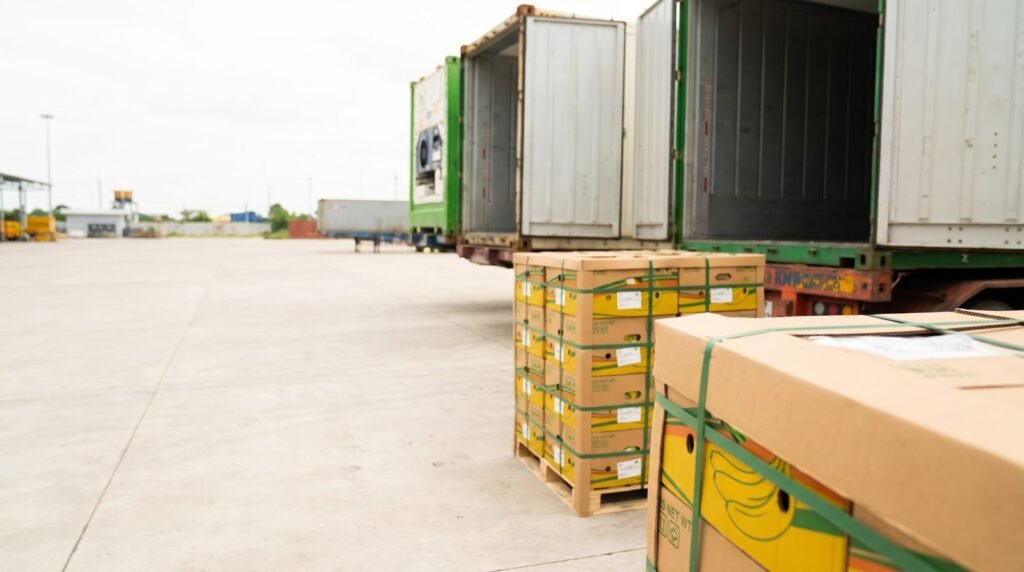
Two different things get called paperwork, and confusing them is what delays a first container. One set belongs to the importing company and exists before any fruit is picked. The other travels with the consignment and has to match it line for line. This is the singapore fruit import documents checklist for the second set — what the Singapore Food Agency actually asks for on a shipment of fresh fruit, what it does not ask for, and when each item has to exist.
The surprise for most first-time buyers is how short the mandatory list is. Singapore front-loads the company-level licensing, then controls the fruit by testing it rather than by collecting certificates at the border.
What has to be in place before the first consignment
The licence sits with the importing company, not the exporter, and it has to exist before a permit can be applied for. Three prerequisites come first: registration with ACRA and a valid UEN, that UEN activated with Singapore Customs for food import and export, and a GIRO account with SFA to pay fees. The detail of that step is in our guide to the SFA licence for importing fresh fruit into Singapore.
Nothing on the consignment list below substitutes for that. A supplier in Vietnam cannot hold the licence, apply for it, or lend it.

The singapore fruit import documents checklist, in order
For one reefer container of fresh fruit, in the order each item is needed:
- Commercial invoice — description, quantity, unit price and terms of sale, with the product described the way the permit declares it
- Packing list — cartons, net and gross weight, pack size, pallet count
- Bill of lading from the carrier, naming the consignee that holds the licence
- Residue test results from the supplier, against the Ninth Schedule of the Food Regulations or Codex levels
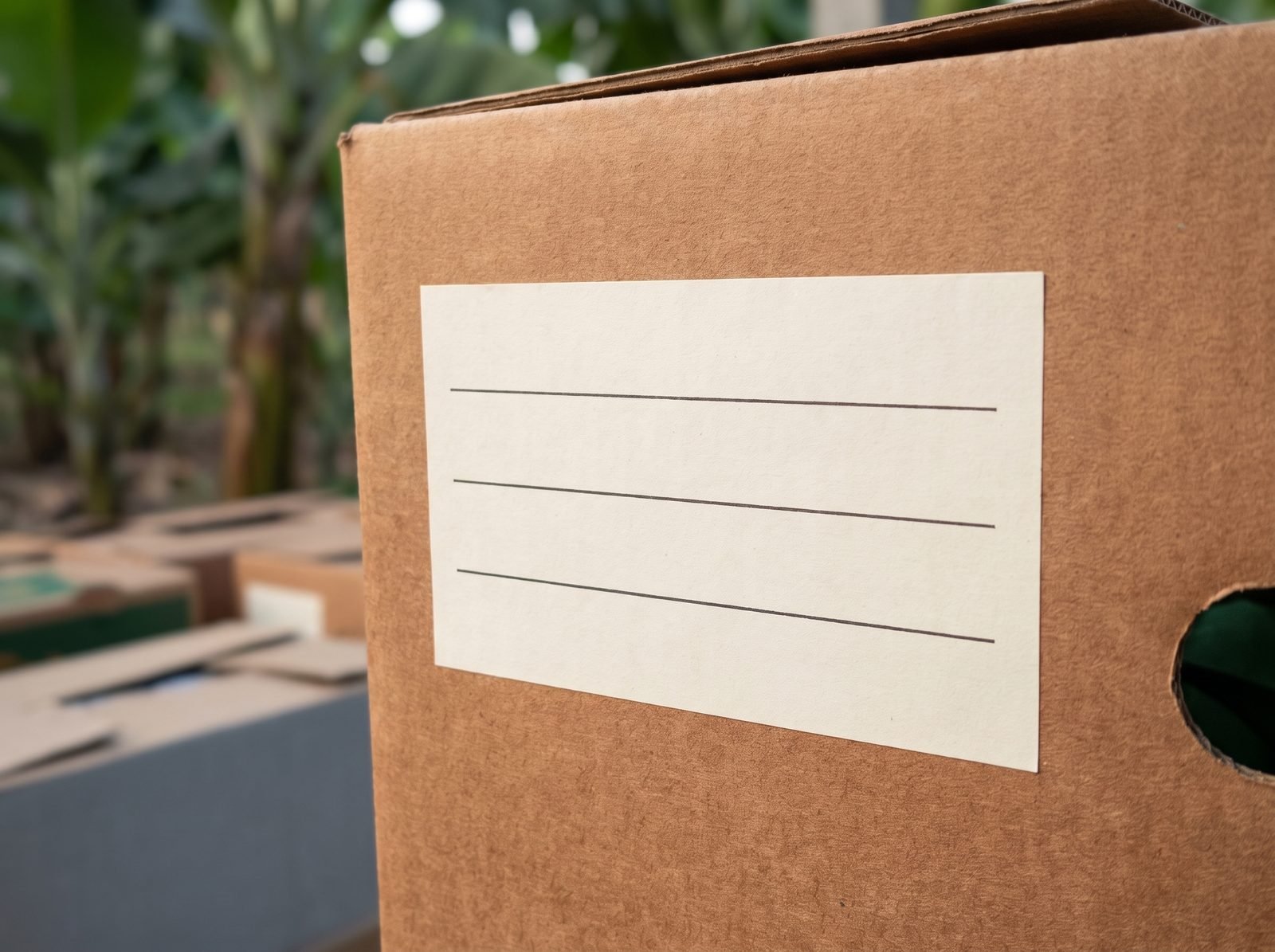
- Carton labelling on every container, carton or basket: the producer’s name and address, the product description, and the date of export or packing
- The import permit, applied for per consignment through TradeNet, carrying the product or HS code and, where relevant, the exporting country’s establishment code
- The approved Cargo Clearance Permit, which is what clearance runs on and which states whether an inspection booking is required
The permit fee for fresh fruits and vegetables is three Singapore dollars per consignment, paid by GIRO. That is per container, not per year, so it belongs in the sailing schedule rather than the annual budget.
The two documents buyers argue about
The phytosanitary certificate
Singapore does not require one for fruit imported to be eaten. The plant health rules reserve phytosanitary certificates for planting material of economic crops, explicitly excepting parts for consumption, and fresh produce for the table is handled under the food import rules instead.
It still gets issued on a lot of Singapore-bound containers, and usually for a reason that has nothing to do with SFA: a letter of credit that lists it among the required documents, a buyer whose own quality system files one per lot, or an onward re-export where the next destination does require it. Decide which of those applies to you before asking for it, because a certificate requested late can hold a container at origin.
The certificate of origin
A preferential certificate of origin earns a duty reduction, and in Singapore there is almost no duty to reduce. Only four categories of goods are dutiable: intoxicating liquors, tobacco products, motor vehicles and petroleum products. Fresh fruit is in none of them, and Singapore Customs ties preferential treatment to goods that carry duty in the first place.
So an ASEAN Form D on a container of bananas buys nothing at the Singapore border. It is still worth asking for when a retailer’s own provenance paperwork wants it, or when the goods may move on to a market where it does matter. Just do not budget time for it as a customs requirement.
Goods and Services Tax is the charge that does apply, levied on the CIF value at the prevailing rate — nine per cent as of 2026. Origin documents do not change it.
Timing: when each document has to exist
SFA needs at least one working day to review a complete permit application. Complete applications filed before 5.30pm Monday to Thursday, or 5pm on Friday, are approved the next working day; on the eves of Chinese New Year, Christmas and New Year the cut-off moves to midday.
That one working day is the floor, not the plan. Work backwards from the vessel:
- Before loading at origin — carton labels printed correctly, residue results back from the lab, invoice and packing list final
- On departure — bill of lading issued, documents sent ahead rather than couriered with the vessel
- Before arrival — TradeNet permit submitted, allowing for the cut-off times above
- On arrival — Cargo Clearance Permit, invoices and health documents ready at the inspection point if one is booked
Fresh fruits and vegetables are booked for inspection through SFA’s Inspection and Laboratory e-Service, and a response takes a working day. A consignment can also be inspected routinely without a booking. Samples may go for laboratory analysis, and a consignment placed on hold and test cannot be sold until results are released — what that costs in practice is covered in what SFA can do to your container.
Where the document set usually goes wrong
Four failures account for most of the delays we see on Singapore-bound fruit, and none of them is a missing certificate:
- The invoice description does not match the declared product code. A permit declared for one product and an invoice written for another is a discrepancy the importer has to explain
- Carton labels missing the packing or export date. Producer name and product description are usually there; the date is the field that gets left off the print file
- Residue results that test the wrong analytes. A clean report against a short screening panel says nothing about an active the buyer’s market actually restricts
- The permit filed under a UEN that was never activated with Customs — ACRA registration alone does not get a company into the permit system
Buyers importing from Vietnam for the first time may also want the exporter-side view of the same shipment, which is in our buyer’s checklist for importing bananas from Vietnam.
How Dragon Hub prepares documents for Singapore
Dragon Hub packs and exports Cavendish bananas to supermarket and wholesale buyers across Asia and the Middle East. Send us the permit conditions, the product code your broker declares under, and the residue list your market applies, and the carton artwork, the invoice wording and the test panel get built to those rather than to a house default. Specifications are on the product range page.
Frequently asked questions
Do I need a phytosanitary certificate to import fruit into Singapore?
Not for fruit imported for consumption. Phytosanitary certificates apply to planting material of economic crops, with parts for consumption excepted, and edible fresh produce is regulated under the food import rules instead. Many suppliers still issue one because a letter of credit, a buyer’s quality system or an onward re-export calls for it.
How much does a Singapore import permit cost per container?
Three Singapore dollars per consignment for fresh fruits and vegetables, applied for through TradeNet and paid by GIRO. The fee is per consignment rather than annual, so every container needs its own permit. The approved Cargo Clearance Permit is what the consignment then clears on.
Is an ASEAN Form D worth obtaining for fruit shipped to Singapore?
Not for duty purposes. Singapore’s dutiable goods are intoxicating liquors, tobacco products, motor vehicles and petroleum products, so fresh fruit carries no duty for a preferential certificate to reduce. Ask for it only if a retailer’s provenance paperwork or an onward destination requires it.
How long before arrival should the import permit be filed?
Allow more than the minimum. SFA takes at least one working day to review a complete application, and applications filed after 5.30pm Monday to Thursday or 5pm Friday roll to the following working day. Add a day again if an inspection booking is required, since that also takes a working day.
Sources
- Singapore Food Agency: licence for fresh fruits and vegetables, ACRA UEN and GIRO prerequisites, per-consignment TradeNet permit and three-dollar fee, processing cut-off times, Cargo Clearance Permit, inspection booking and hold and test
- National Parks Board: phytosanitary certificates required for planting material of economic crops, except parts for consumption
- Singapore Customs: the four categories of dutiable goods, and GST levied on CIF value
