
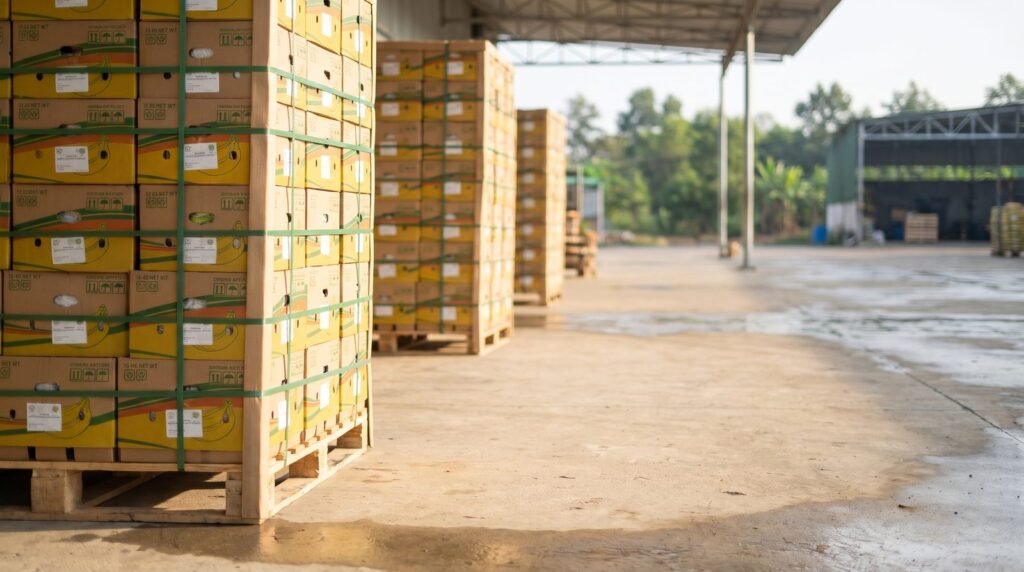
The vietnam banana exports to uae gap is one of the cleanest holes in the fresh produce trade data. Vietnam ships bananas to China by the half-million tonnes and to Saudi Arabia by the shipload, yet in the UAE import tables for 2024 and 2025 it does not appear at all.
We would rather set that out than work around it. The gap has three identifiable causes, and the fact that Vietnamese fruit already lands in two other Gulf states says more about the UAE lane than any brochure could.
The vietnam banana exports to uae gap, in three numbers
In 2023 Vietnam declared 459,440 US dollars of bananas shipped to the UAE. The UAE recorded the same trade at 253,710 dollars across 361,560 kilograms. Against a market that reported 151.6 million dollars on the partner side that year, the Vietnamese share was about 0.3 per cent.
Then it disappears. For 2024 and 2025 there is no UAE row in the table of countries reporting banana imports from Vietnam, and no Vietnamese row among the origins declaring shipments into the UAE. For scale: Vietnam’s banana exports were worth roughly 372 to 378 million dollars in 2024, so the 2023 UAE figure was about one part in a thousand.
Vietnam is already in the Gulf. Just not in Dubai
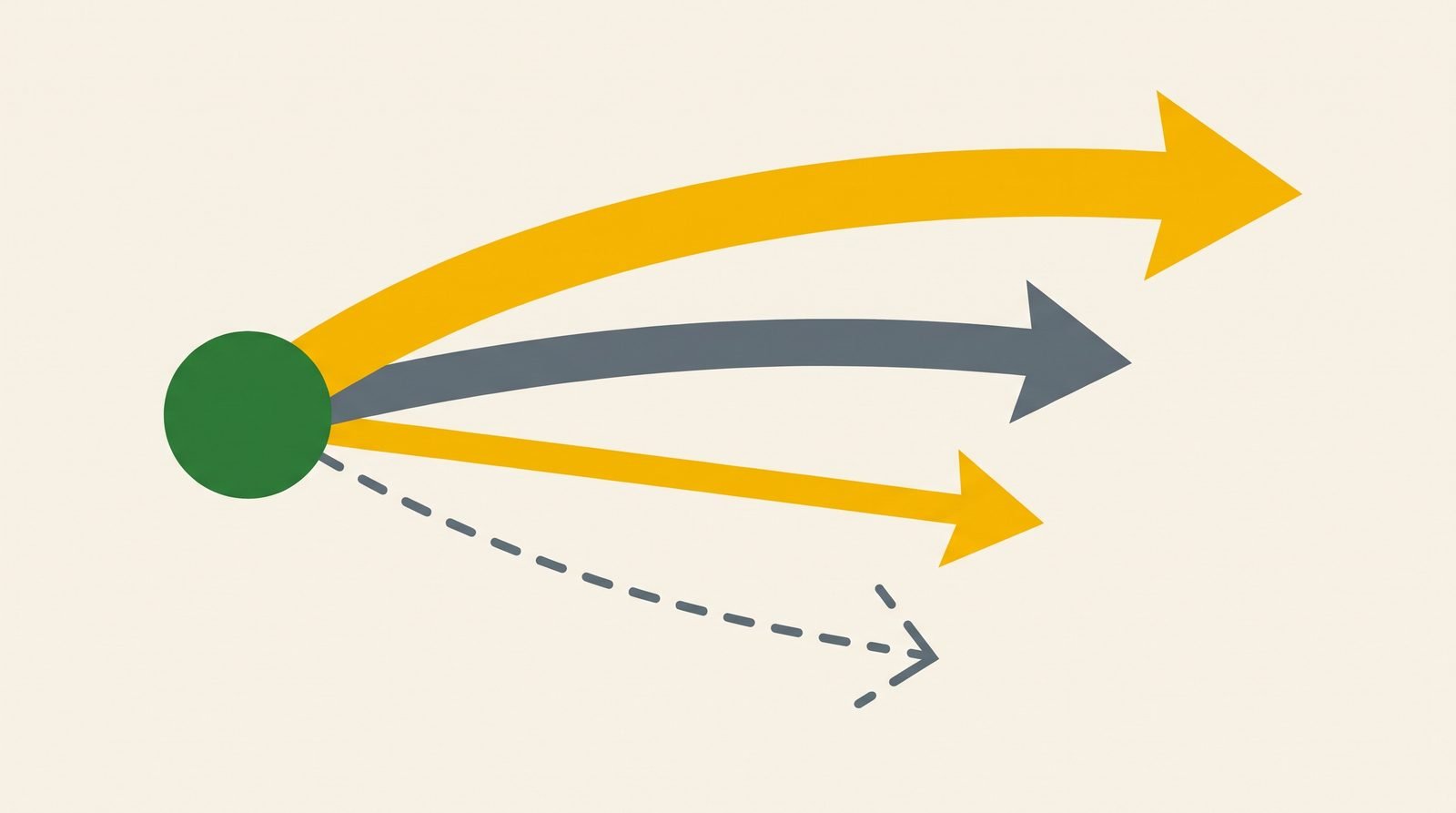
This is the part that surprised us, and it changes the story. Importers in Saudi Arabia reported 14,668 tonnes of Vietnamese bananas worth 5.96 million dollars in 2025, up from 1,011 tonnes and 0.75 million in 2024. That is a fourteen-fold rise in volume in one year, and it makes Saudi Arabia the fifth-largest reported market for Vietnamese bananas, behind only China, South Korea, Japan and Malaysia.
Kuwait has been steady rather than spectacular: 2,595 tonnes in 2024 and 2,627 tonnes in 2025, at a reported unit value near 0.89 dollars a kilogram. Qatar recorded a small volume in 2024. So the obstacle is not the region, the climate, the paperwork culture or the distance. Vietnamese fruit clears all of that into Jeddah and Kuwait City. The UAE line stayed empty for reasons specific to the UAE.
Three reasons the UAE lane stayed empty
Lane length. Direct sailings from Cai Mep to Jebel Ali are quoted at 20 to 30 days, and feeder routing through Singapore or Port Klang adds another three to five. Indian fruit reaches Jebel Ali from Nhava Sheva or Mundra in four to six days. On a product whose green life is finite, three to five weeks against one week is not a cost difference, it is a different product on arrival.
The price level. Indian bananas landed in the UAE at about 0.525 dollars a kilogram in 2025 and Philippine fruit at 0.498. Those two plus Ecuador hold 97 per cent of reported volume. A newcomer arriving with a longer lane and a smaller programme has nothing to undercut.
The pull of nearer markets. China reported 685,579 tonnes of Vietnamese bananas worth 278.8 million dollars in 2025, with South Korea at 71.5 million and Japan at 45.5 million. When a lane that short absorbs that much fruit, exporters do not go looking for a five-week one. The full picture is in our note on Vietnam’s banana export destinations. Distance alone does not settle it, though: Ecuador is further from Jebel Ali than Vietnam and holds half the market, because it has weekly reefer capacity and volume to fill it all year.
What the data cannot tell you
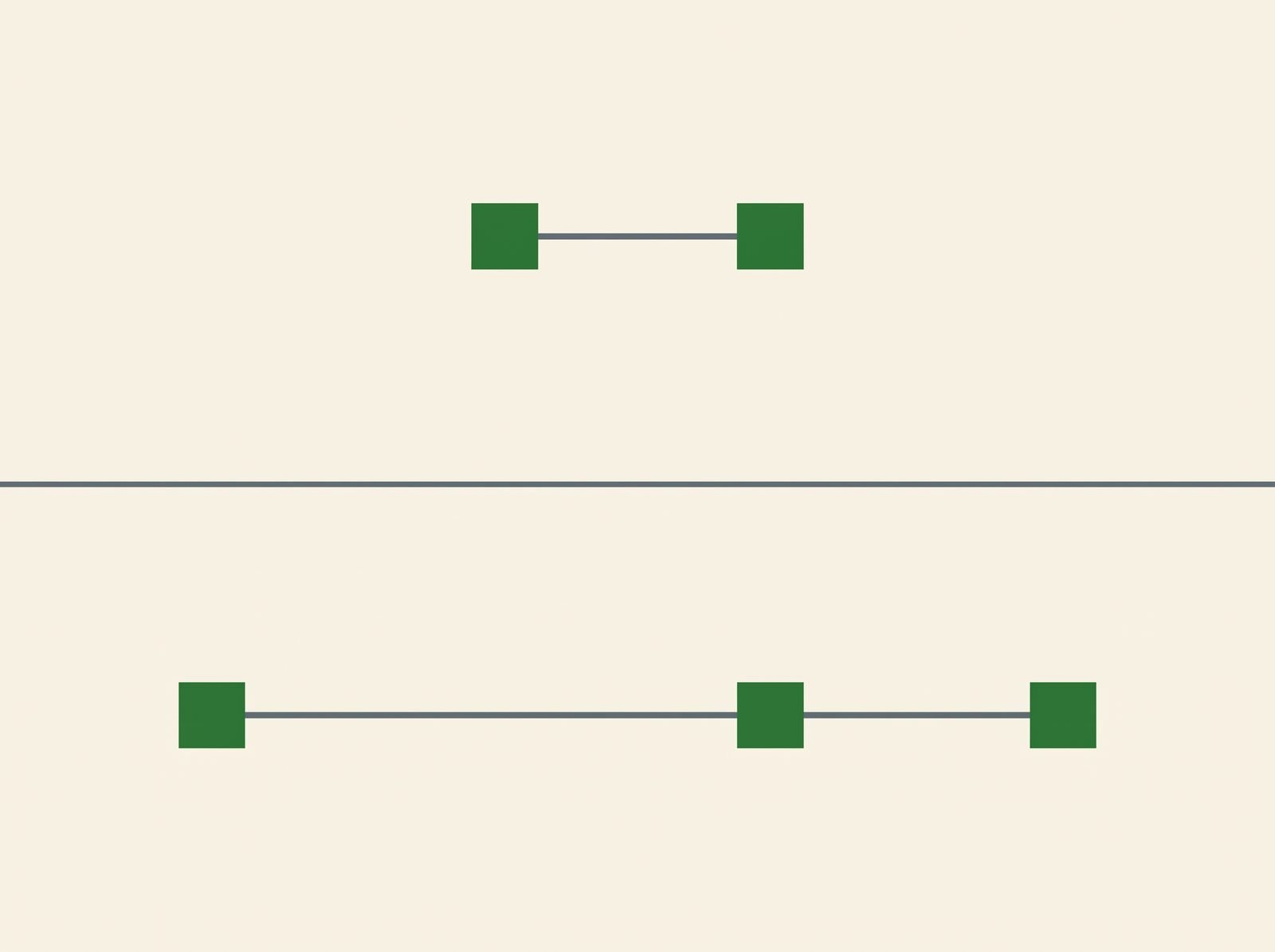
Absence from a mirror table is absence from reported statistics, not proof that no fruit moved. A consignment that transships through a hub and clears under another origin, or a flow too small to be reported separately, leaves no trace in these tables. Read the 2024 and 2025 blanks as “not visible in the trade statistics” rather than “zero”.
The two reporting sides also disagree about 2023 by nearly a factor of two, which is normal for mirror data. The direction, repeated on both sides across three years, is what carries the weight.
What Dragon Hub would need to open the lane
The Saudi jump shows what works: a receiver who commits to repeat volume, a fixed grade and carton so each arrival can be checked against the last, and pre-cooling and loading discipline sized for a long lane. None of that is UAE-specific, which is why we treat the UAE as a lane waiting for its first committed receiver rather than a closed market.
For a Dubai importer the practical first step is a specification, not a price: pack size, colour stage on arrival, acceptance criteria and frequency. Send that and we will answer it line by line against what we pack, listed in our product range. The paperwork is set out in our UAE banana import documents checklist.
Frequently asked questions
Does Vietnam export bananas to the UAE at all?
Very little, and none that is visible in the statistics for 2024 and 2025. The last clearly reported year is 2023, at 459,440 dollars on Vietnam’s declaration and 253,710 dollars on the UAE’s. Both figures are a fraction of one per cent of UAE banana imports.
How long does it take to ship bananas from Vietnam to Dubai?
Freight forwarders quote 20 to 30 days direct from Cai Mep to Jebel Ali, with three to five days more if the box feeders through Singapore or Port Klang. Add buffer for schedule reliability. By comparison, Indian ports reach Jebel Ali in four to six days.
Which Gulf countries buy Vietnamese bananas today?
Saudi Arabia and Kuwait. Saudi importers reported 14,668 tonnes in 2025, up from 1,011 tonnes in 2024, and Kuwait reported 2,627 tonnes. Qatar recorded a small volume in 2024. On the reported data the UAE is the Gulf market where Vietnamese bananas are absent.
Sources
- WITS over UN Comtrade, reported imports of HS 080300 from Vietnam, 2025 — Saudi, Kuwait, China, Korea and Japan volumes and values, and the absence of a UAE row
- WITS over UN Comtrade, reported imports of HS 080300 from Vietnam, 2023 — the UAE figure of 253,710 dollars and 361,560 kilograms
- WITS over UN Comtrade, HS 080300 exports to the United Arab Emirates, 2023 to 2025 — origin shares and unit values, and Vietnam’s 459,440 dollars in 2023
- Vietnam News Agency, 13 December 2025 — Vietnam’s 2024 banana export value of about 372 to 378 million dollars
- FreightAmigo, Ho Chi Minh City to the United Arab Emirates — 20 to 30 days direct from Cai Mep to Jebel Ali and three to five days for feeder routing
