Mango
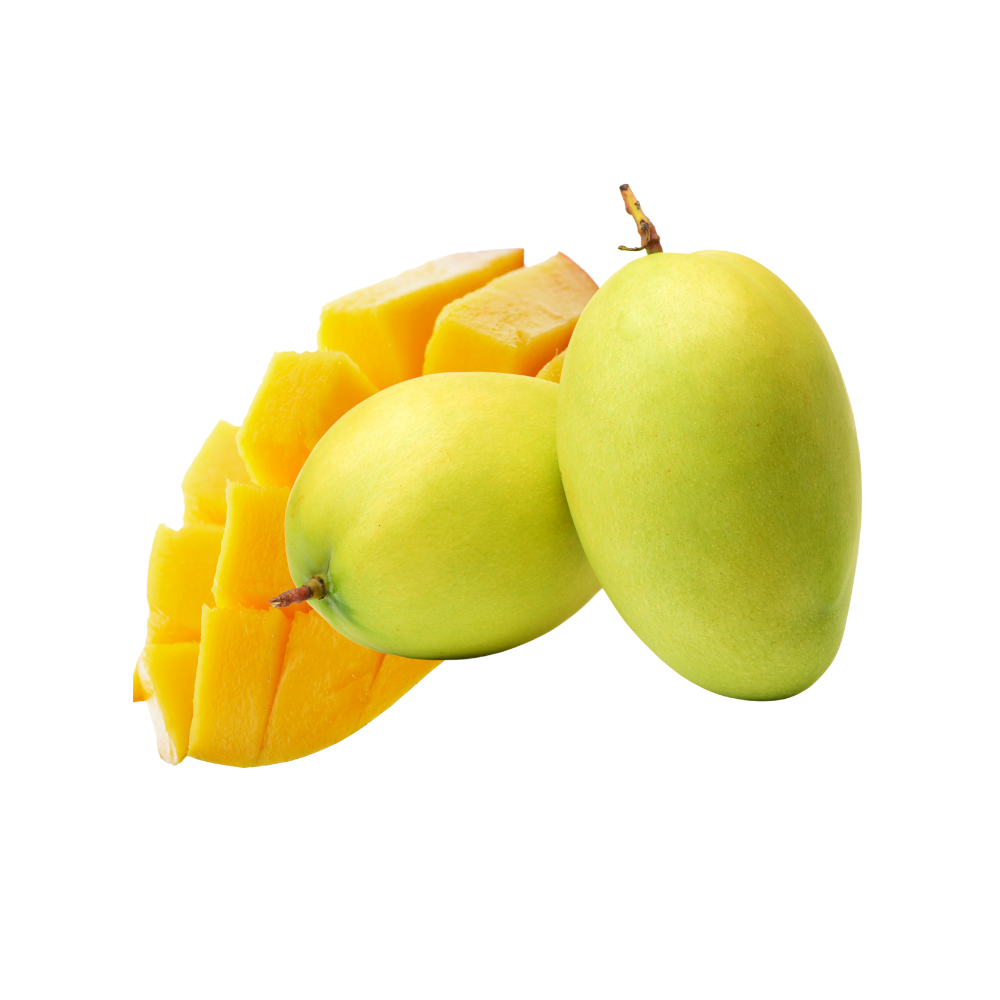
Cat Chu mango grown in Vietnam’s Mekong Delta and packed for export — 250–650 g fruit with thin skin, a small seed and low fibre. Sold by the reefer load to importers, wholesalers and supermarket programmes. Send us your size and packing spec for a quote.
Description
Cat Chu mango is the mango Vietnam is known for. It comes from Cao Lanh in Dong Thap province, in the Mekong Delta, where the variety has been grown long enough to earn its own protected geographical indication in 2019. Locally it is called xoai tien vua — the mango offered to the king — after the Nguyen dynasty tribute it was once part of.
For a buyer, the variety matters for three practical reasons: the skin is thin, the seed is small, and the flesh carries noticeably less fibre than the larger Hoa Loc and Keo types. That combination gives a high edible yield per kilo and a clean eating texture, which is why it was the variety chosen when Vietnam first entered the Japanese market.
Specification
| Variety | Cat Chu mango (Mangifera indica) |
| Origin | Vietnam — Mekong Delta |
| Fruit weight | 250 – 650 g |
| Storage temperature | 16 – 18 °C (short-route programme) |
| Shelf life | 7 – 10 days at that temperature |
| Longer routes | Mature-green regime available — agreed with the order |
| Appearance | Thin skin, small seed, low fibre content |
| Packing | To buyer specification |
| Minimum order | One reefer container |
Handling and arrival condition
The figures above — 16 to 18 °C, 7 to 10 days — describe fruit shipped close to eating ripeness, for programmes on short routes where the mango moves onto the shelf soon after arrival. It is a warm regime by mango standards, and that is the point: the fruit is already most of the way there.
Longer routes are a different order. Mature-green mango is normally carried nearer 13 °C, where postharvest life is measured in weeks rather than days, and the trade-off is that the fruit has to be ripened at destination. Below about 10 °C mangoes suffer chilling injury — uneven ripening, pitting, dull grey skin — and the damage only shows after the container is opened.
So the temperature is not a fixed property of the product. It is set together with the maturity we cut at, against your transit time and how you intend to sell the fruit. Tell us the route and the destination programme at enquiry stage rather than accepting a default. Mismatching those three is the most common reason a mango shipment disappoints on arrival, and it is entirely avoidable at the quoting stage.
Market access and documents
Vietnamese fresh mango reaches roughly 40 markets. China takes the large majority of the volume, with Korea, Japan, the United States, Australia, Russia and the EU making up most of the rest. Cat Chu specifically went on sale in Japan in November 2015, in Aeon supermarkets — the first fresh Vietnamese mango to clear that market.
Each of those markets sets its own entry conditions, and they are not interchangeable. Ask any Vietnamese supplier for these before you contract:
- The growing area code and packing facility code registered for your destination — the Mekong Delta has around 300 mango growing area codes issued for export
- The phytosanitary treatment your market requires, and where it is carried out
- The phytosanitary certificate and certificate of origin your customs broker will need
- A residue test report, if your buyer or market requires one
What to send us for a quote
Mango quotes are only comparable when the specification is. Send these and the numbers you get back from any supplier will mean the same thing:
- Destination market and port
- Size range in grams, and whether you want a single count or mixed
- Carton weight and whether the print is yours, neutral or ours
- Maturity at loading, matched to your transit time
- Volume per shipment and frequency
- Incoterm
Dragon Hub processes, packs and exports Vietnamese fruit to supermarket and wholesale buyers across Asia and the Middle East. Cat Chu mango sits alongside Cavendish bananas, pomelo, seedless limes, dragon fruit and coconuts in our product range. If a combination is not realistic from this origin at your target price, we would rather tell you before the container than after it.
Frequently asked questions
What size are Cat Chu mangoes?
Individual fruit runs 250 to 650 grams. Most programmes narrow that to a tighter band so pack weights stay consistent — tell us the range you need rather than accepting the full spread.
How long do Cat Chu mangoes last after shipping?
Seven to ten days at 16 – 18 °C, which is the regime for fruit arriving close to eating ripeness. Mature-green fruit carried nearer 13 °C holds for considerably longer and ripens at destination. Remaining shelf life at your warehouse depends far more on the maturity the fruit was cut at, and on pulp temperature in transit, than on the number of days written into the contract.
What is the difference between Cat Chu and Hoa Loc mango?
Cat Chu is the smaller of the two, with thinner skin, a smaller seed and less fibre. Hoa Loc fruit is larger and is usually positioned as a premium gift-grade mango. Cat Chu is the workhorse export variety and the one Japan cleared first.
Do I need a growing area code to import Vietnamese mango?
Your supplier does, for markets that require registration. Ask for the growing area code and the packing facility code registered for your destination, and verify them with your own authority before you contract.
What is the minimum order for Cat Chu mango?
One reefer container is the normal minimum. Smaller trial volumes are sometimes possible on consolidated loads, at a higher unit price and with less control over transit temperature.